




henri matisse portrait : Henri Matisse Photo, Photograph, Paintings, and the Famous Portrait of Madame Matisse
Henri Matisse is one of the most influential artists in the history of modern art. Known for his vibrant colors, expressive compositions, and innovative artistic vision, Matisse helped redefine painting during the early twentieth century. His artwork continues to inspire artists, collectors, and art enthusiasts worldwide. Whether people search for a Henri Matisse photo, Henri Matisse photograph, Henri Matisse paintings, Henri Matisse painting, or the famous Henri Matisse portrait of Madame Matisse, they are exploring the life and legacy of a creative genius whose impact remains unmatched.
Throughout his career, Matisse challenged traditional artistic rules and introduced bold new ways of using color and form. His paintings, portraits, and later paper cut-outs transformed modern art and secured his place among the greatest painters of all time.
Quick Bio of Henri Matisse
| Information | Details |
|---|---|
| Full Name | Henri Émile Benoît Matisse |
| Birth Date | December 31, 1869 |
| Birthplace | Le Cateau-Cambrésis, France |
| Death Date | November 3, 1954 |
| Nationality | French |
| Profession | Painter, Sculptor, Printmaker |
| Art Movement | Fauvism |
| Famous Works | The Dance, The Red Room, Woman with a Hat, The Green Stripe |
| Spouse | Amélie Matisse |
| Known For | Bold colors, modern art innovations, expressive paintings |
The Early Life of Henri Matisse
Henri Matisse was born in northern France in 1869. Surprisingly, he did not initially plan to become an artist. He studied law and worked as a legal clerk before discovering his passion for painting. During a period of recovery from illness, he began painting and quickly developed a deep interest in art.
Matisse eventually enrolled in art schools in Paris, where he studied traditional painting techniques while also experimenting with new artistic ideas. Influenced by Impressionism and Post-Impressionism, he gradually developed a unique style that emphasized emotion and color over realism.
His willingness to experiment and challenge artistic conventions would later make him one of the most important figures in modern art history.
Henri Matisse Photo and Historical Photographs
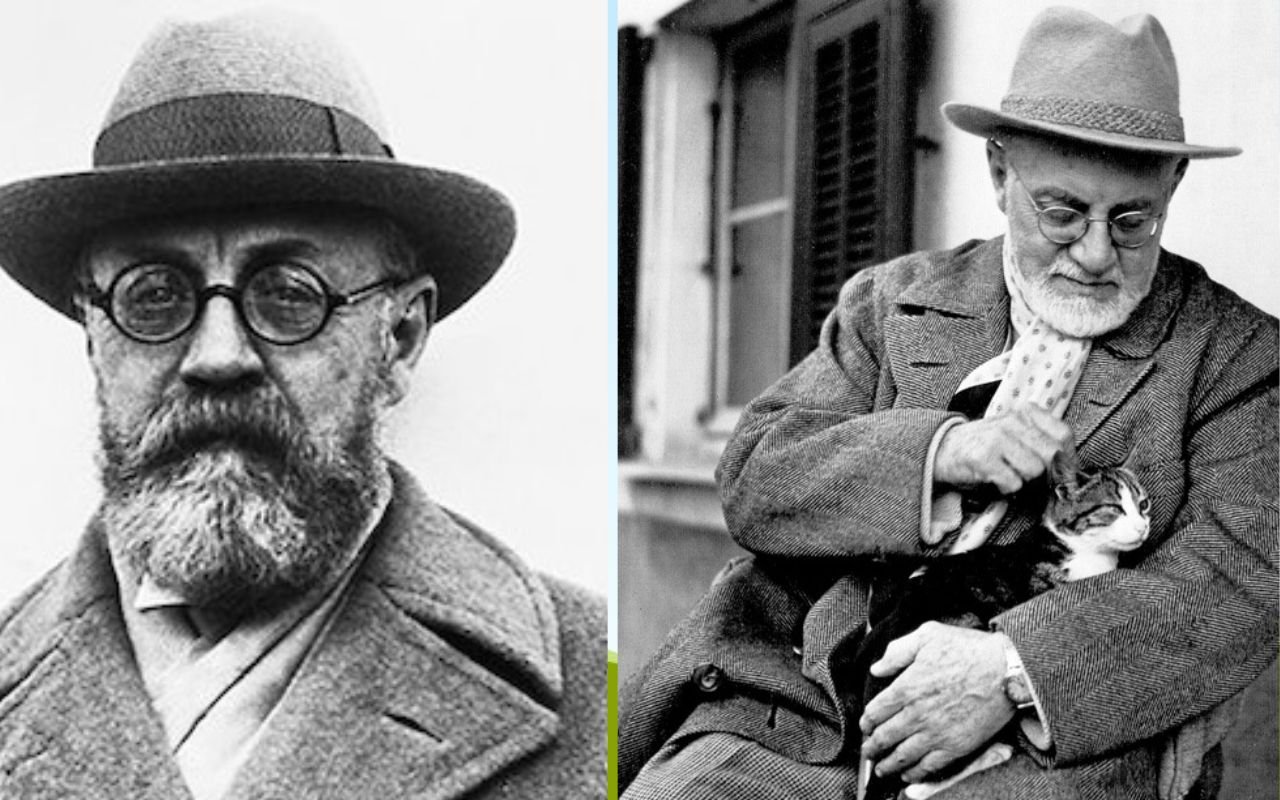
Many art lovers search for a Henri Matisse photo or Henri Matisse photograph to gain insight into the artist’s personality and working environment. Historical photographs of Matisse provide a fascinating glimpse into his creative life.
Several famous photographs show Matisse working in his studio surrounded by paintings, sculptures, sketches, and colorful decorative objects. These images reveal the artist’s dedication to his craft and his passion for visual experimentation.
Photographs from his later years are particularly significant because they show Matisse continuing to create art despite health challenges. Even when he was unable to paint traditionally, he developed his famous paper cut-out technique, proving that creativity can flourish under any circumstances.
Today, historical photographs of Matisse are featured in museums, art books, exhibitions, and academic studies. They help viewers connect with the man behind the masterpieces and better understand his artistic process.
Henri Matisse Paintings and Artistic Style
Henri Matisse paintings are celebrated for their brilliant colors, simplified forms, and emotional power. Unlike many artists who focused on realistic representation, Matisse believed that color itself could communicate feelings and ideas.
His paintings often feature vivid reds, blues, greens, and yellows arranged in bold and unexpected combinations. Rather than attempting to replicate reality exactly, Matisse used color to create mood, energy, and visual harmony.
Some characteristics commonly found in Henri Matisse paintings include:
- Strong and vibrant color palettes
- Simplified shapes and figures
- Decorative patterns
- Flattened perspective
- Emotional expression through color
- Harmonious compositions
His revolutionary approach influenced generations of artists and played a major role in the development of modern art.
The Fauvist Movement and Matisse’s Leadership
Henri Matisse became the leading figure of Fauvism, one of the first major modern art movements of the twentieth century. The Fauvist artists rejected traditional color conventions and embraced intense, non-naturalistic colors.
Art critics were shocked by the group’s paintings and referred to them as “Les Fauves,” meaning “The Wild Beasts.” Instead of being discouraged by criticism, Matisse and his fellow artists continued exploring new creative possibilities.
Fauvism was relatively short-lived, but its impact was enormous. The movement encouraged artists to prioritize emotional expression and artistic freedom over strict realism. Matisse’s leadership during this period helped establish him as a pioneer of modern art.
Famous Henri Matisse Paintings
Throughout his career, Matisse created numerous masterpieces that remain celebrated today.
The Dance
Painted in 1910, The Dance is one of Matisse’s most iconic works. The painting features five figures dancing in a circle against a simple landscape. Its dynamic composition and bold colors symbolize joy, movement, and human connection.
The Red Room
The Red Room is another famous Henri Matisse painting that demonstrates his mastery of color. The work features an interior space dominated by rich red tones and decorative patterns, creating a sense of warmth and visual unity.
Woman with a Hat
This groundbreaking portrait shocked audiences when it was first exhibited. Matisse used unconventional colors to portray the subject, challenging traditional ideas about portrait painting.
Blue Nude
Blue Nude became one of the most influential artworks of the twentieth century. Its simplified forms and expressive style inspired future movements including Cubism and modern abstraction.
Henri Matisse Portrait of Madame Matisse
Among all Henri Matisse paintings, few are as famous as the portrait of his wife Amélie Matisse, commonly known as The Green Stripe.
Painted in 1905, this remarkable portrait represents a turning point in modern art. The painting shows Madame Matisse with a striking green line running vertically down the center of her face. Rather than using realistic shadows and highlights, Matisse employed bold, contrasting colors to define facial features and structure.
At the time, many viewers found the portrait shocking and unconventional. However, art historians now recognize it as one of the defining works of Fauvism.
The Green Stripe demonstrates several important artistic principles:
- Color can replace traditional modeling techniques.
- Emotional expression is more important than realism.
- Artistic innovation often requires challenging established rules.
- Visual impact can be achieved through simplicity and boldness.
Today, the portrait remains one of the most studied and admired examples of modern portraiture.
The Lasting Legacy of Henri Matisse
Read More: How to Layer a Sweater Vest and Other Sweater Styling Techniques for Modern Outfits
Henri Matisse’s influence extends far beyond his own lifetime. His innovative use of color transformed modern painting and inspired countless artists across multiple generations.
His ideas influenced movements such as Expressionism, Abstract Art, Color Field Painting, and contemporary design. Museums around the world continue to display his works, attracting millions of visitors annually.
Matisse demonstrated that art does not need to imitate reality to be meaningful. Instead, it can express emotion, beauty, and imagination through color, shape, and composition.
Even today, students and professional artists study his techniques to better understand the power of visual expression.
Why Henri Matisse Remains Relevant Today
The continued popularity of Henri Matisse photos, photographs, paintings, and portraits reflects the timeless appeal of his work. His art transcends cultural and generational boundaries because it speaks directly to human emotions.
Modern audiences appreciate Matisse for his creativity, courage, and willingness to experiment. His paintings remind viewers that art can be joyful, expressive, and deeply personal.
Whether examining a historical Henri Matisse photograph, admiring The Dance, studying The Red Room, or exploring the famous portrait of Madame Matisse, people continue to discover new meanings and inspiration in his work.
At Buzempire, we celebrate influential artists like Henri Matisse whose creativity changed the course of art history. His remarkable legacy continues to inspire art lovers, collectors, students, and creators around the world, proving that true artistic innovation never fades with time.