


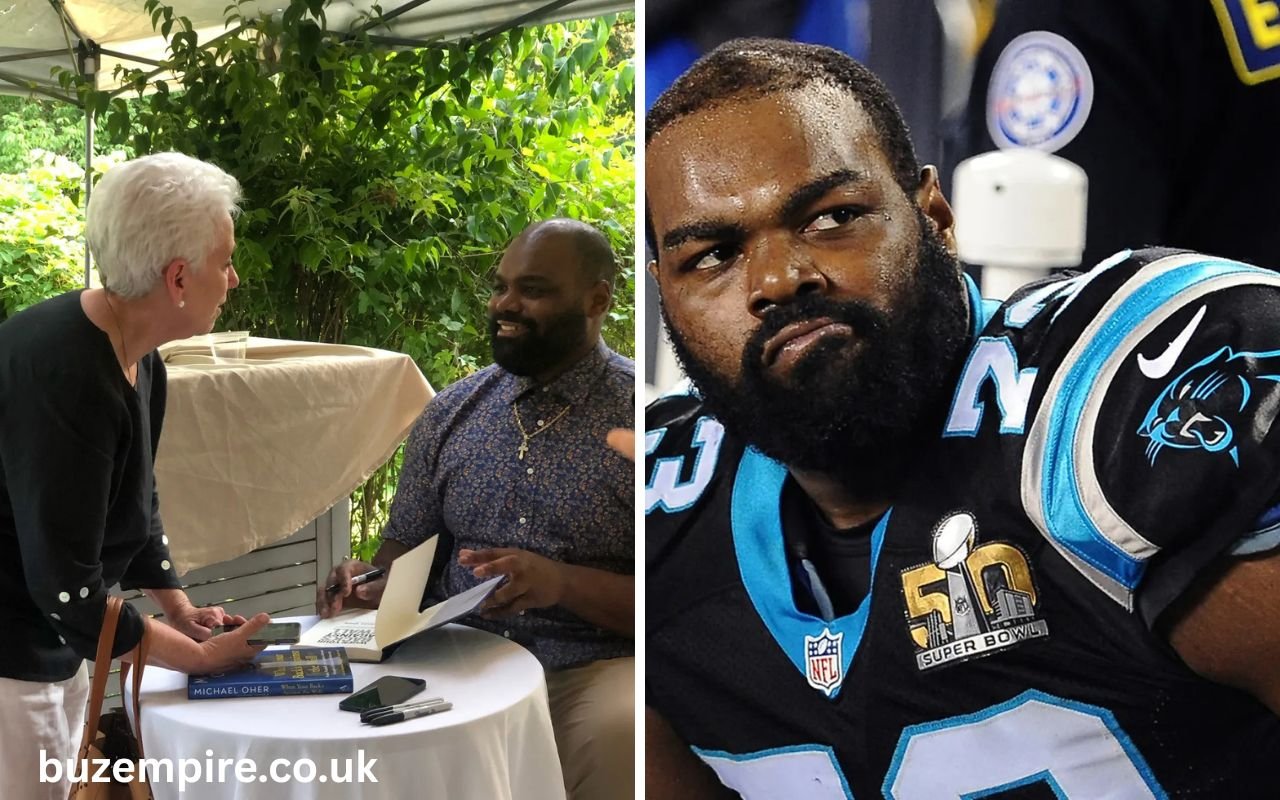
Michael Oher Lawsuit Explained: The Truth Behind The Blind Side Controversy
michael oher lawsuit The lawsuit involving Michael Oher has become one of the most talked-about legal controversies in recent sports and entertainment history. Known widely as the inspiration behind the film The Blind Side, Oher’s story was once seen as uplifting and inspirational. However, the legal dispute has revealed a far more complex and contested reality behind that narrative.
At the center of the lawsuit are allegations against Sean Tuohy and Leigh Anne Tuohy, the couple who took Oher in during his teenage years. Oher claims that the relationship portrayed as adoption was actually a conservatorship, raising serious questions about control, consent, and financial benefit. The case has sparked widespread interest due to its connection to fame, wealth, and the truth behind a beloved story.
Background: The Real Story Behind The Blind Side
The story of Michael Oher gained global attention through The Blind Side, which depicted his journey from a troubled childhood to NFL success. The film portrayed the Tuohy family as compassionate figures who adopted Oher and helped him reach his potential. For years, this version of events was widely accepted by the public.
However, Oher later challenged this narrative, stating that he was never legally adopted. Instead, he alleges that he was placed under a conservatorship shortly after turning 18. This legal arrangement gave the Tuohys significant control over his financial and personal decisions, which differs greatly from adoption, where an individual retains autonomy.
What Triggered the Lawsuit
In August 2023, Michael Oher filed a legal petition that brought the situation into the public spotlight. He claimed that he had been misled into signing documents that he believed were related to adoption but were actually establishing a conservatorship.
Oher also alleged that the Tuohys used this arrangement to profit from his name, image, and life story without his full understanding or consent. According to reports, he is seeking financial compensation, a full accounting of earnings, and the termination of any remaining legal control over his affairs.
Understanding the Conservatorship Controversy
A key element of the lawsuit is the concept of conservatorship, a legal mechanism typically used for individuals who are unable to manage their own affairs due to disability or incapacity. In Oher’s case, he was an adult with no known disabilities when the conservatorship was established.
This unusual application of conservatorship has raised legal and ethical concerns. Critics argue that it may have been inappropriate or even exploitative, given Oher’s circumstances. A judge later expressed surprise that such an arrangement had been approved, highlighting how rare it is for someone in Oher’s position to be placed under conservatorship.
Financial Disputes and Allegations
One of the most significant aspects of the lawsuit involves financial claims. Oher alleges that the Tuohy family earned millions of dollars from his story through book deals, speaking engagements, and the success of The Blind Side.
There are also disputes over how profits from the film were distributed. Some reports suggest that members of the Tuohy family received payments and a share of profits, while Oher claims he did not receive a fair portion. These conflicting accounts have made financial transparency a central issue in the ongoing legal battle.
The Tuohy Family’s Response
The Tuohy family has strongly denied Oher’s allegations. They maintain that the conservatorship was created with good intentions, primarily to help Oher navigate NCAA rules and attend college. They also argue that they provided significant financial and emotional support during his early years.
Additionally, the Tuohys have stated that any money earned from the film or related ventures was shared equally among family members, including Oher. They have also accused Oher of misrepresenting facts and, in some filings, suggested that the lawsuit may be financially motivated.
Court Decisions and Legal Developments
A major development in the case occurred in September 2023, when a Tennessee judge terminated the conservatorship between Oher and the Tuohy family. This decision marked a significant victory for Oher, as it restored his legal independence.
However, ending the conservatorship did not resolve the entire dispute. The court allowed the broader lawsuit to continue, particularly regarding financial claims and potential damages. As of 2026, legal proceedings are still ongoing, with both sides presenting evidence and arguments related to earnings and accountability.
Media Impact and Public Reaction
The lawsuit has had a profound impact on how the public views The Blind Side and the story it tells. What was once considered an inspiring tale has now been re-examined through a more critical lens, with many questioning the accuracy of its portrayal.
Public opinion has been divided. Some people support Oher, believing he was exploited, while others side with the Tuohys, viewing them as supportive figures who helped him succeed. Discussions across media platforms and online communities reflect this divide, showing how complex and emotionally charged the issue has become.
Broader Legal and Ethical Implications
The Michael Oher lawsuit goes beyond a single dispute and raises broader questions about conservatorships, consent, and financial transparency. It highlights how legal arrangements can significantly impact an individual’s autonomy and financial rights, especially when fame and money are involved.
The case has also drawn comparisons to other high-profile conservatorship controversies, prompting discussions about potential reforms. Legal experts and advocates are increasingly calling for stricter oversight and clearer guidelines to prevent misuse of such arrangements in the future.
Read More: Jeff Goldblum Kids: A Deep Dive Into His Fatherhood, Family Life, and Parenting Journey
Conclusion: What Lies Ahead
As the legal battle continues, the outcome of the Michael Oher lawsuit remains uncertain. While the conservatorship has been terminated, key questions about financial accountability and potential compensation are still unresolved. Both sides appear committed to pursuing their claims, suggesting that the case may continue for some time.
Ultimately, the lawsuit has reshaped public understanding of Michael Oher’s story. It serves as a reminder that real-life events can be far more complex than their cinematic portrayals. As new developments emerge, the case will likely remain a significant topic in both legal and cultural discussions.